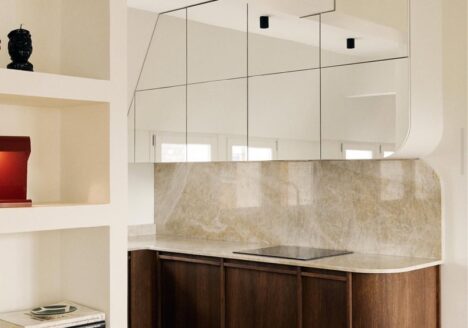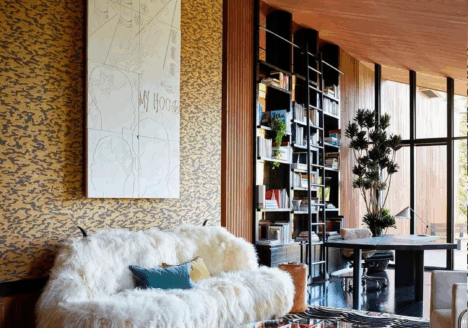
How often do we walk into a room and barely notice the walls?
Most of the time they’re treated as background, neutral, quiet, meant to disappear. But when colour is chosen with intention, walls stop being silent. They start to speak.
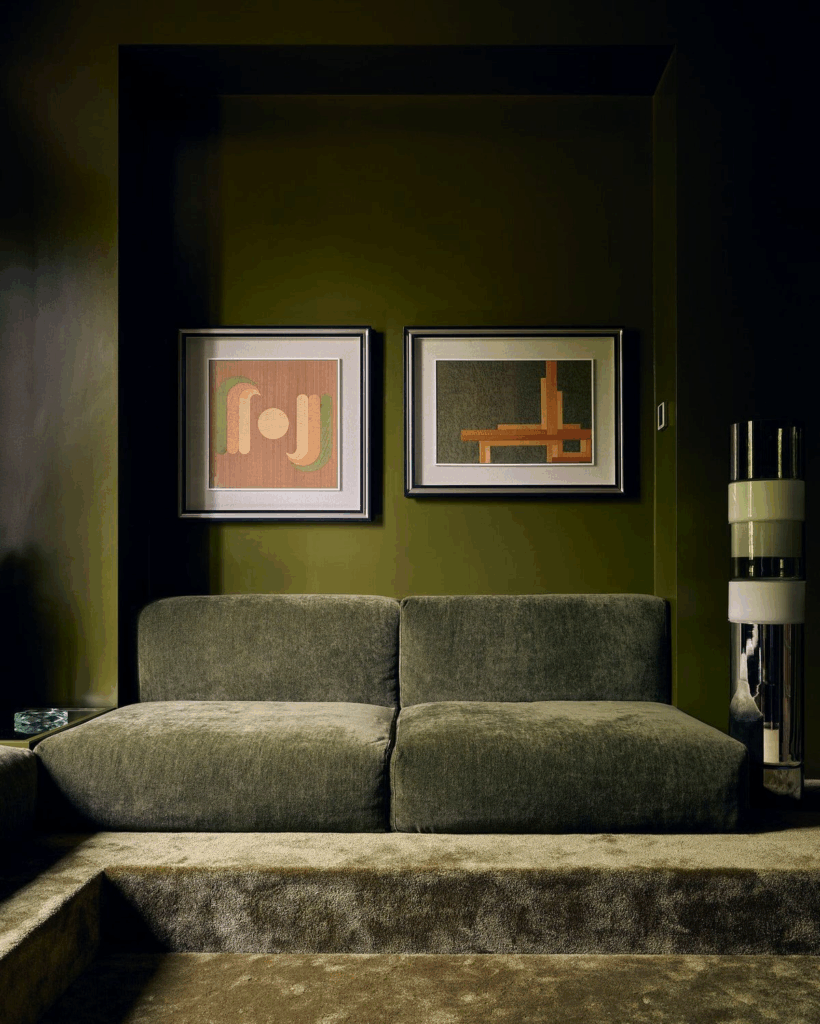
A deep plum, a muted olive, a soft but moody green, these colours set the tone long before you notice the furniture. They shape the atmosphere of a space and hint at its character almost immediately.
Colour is one of the most direct ways a room shows personality. It can be subtle or bold, grounding or expressive. It can bring warmth, calm, or a sense of intimacy. And unlike fast-moving trends, a considered colour choice tends to age well. It settles into a space, rather than fighting it.
What matters is not seeing walls as static surfaces, but as active parts of a home’s story. They influence how we move, how we feel, how long we stay. I often think about colour the way a writer thinks about tone, it’s not decoration, it’s communication.
Bold colour doesn’t have to feel overwhelming. Sometimes a single painted wall is enough to anchor a room, create focus, or give artwork and objects something to respond to. Softer choices like a grey-green, a warm beige with depth can make even large, open rooms feel held and lived-in.
So many mainstream interiors treat walls as invisible. Safe whites, beiges and greys are used so that anything else can sit on top without clashing. It feels secure, but it often strips a space of expression. Rooms can end up looking polished and correct, but strangely anonymous, like catalogue pages rather than places someone actually lives.
Expressive interiors see walls differently. They’re not backdrops; they’re participants. They set the mood, support the furniture, and quietly guide how a space is experienced. Choosing colour intentionally, rather than defaulting to neutrality out of caution, gives a room confidence and personality.
Imagine a small dining room painted in a muted clay red. The table and chairs might be simple, even ordinary, but the colour changes everything. The room feels warmer, more present. You linger a little longer.
Or a bedroom with soft indigo walls, paired with natural wood and linen. The colour isn’t shouting for attention, but it defines the space. It creates calm. These aren’t trends, they’re considered choices that adapt as life changes.
The same thinking applies to public spaces too. Restaurants, shops, galleries, a wall in an unexpected hue can mark a moment, guide movement, or stay in your memory long after you’ve left. Colour becomes a quiet narrator.
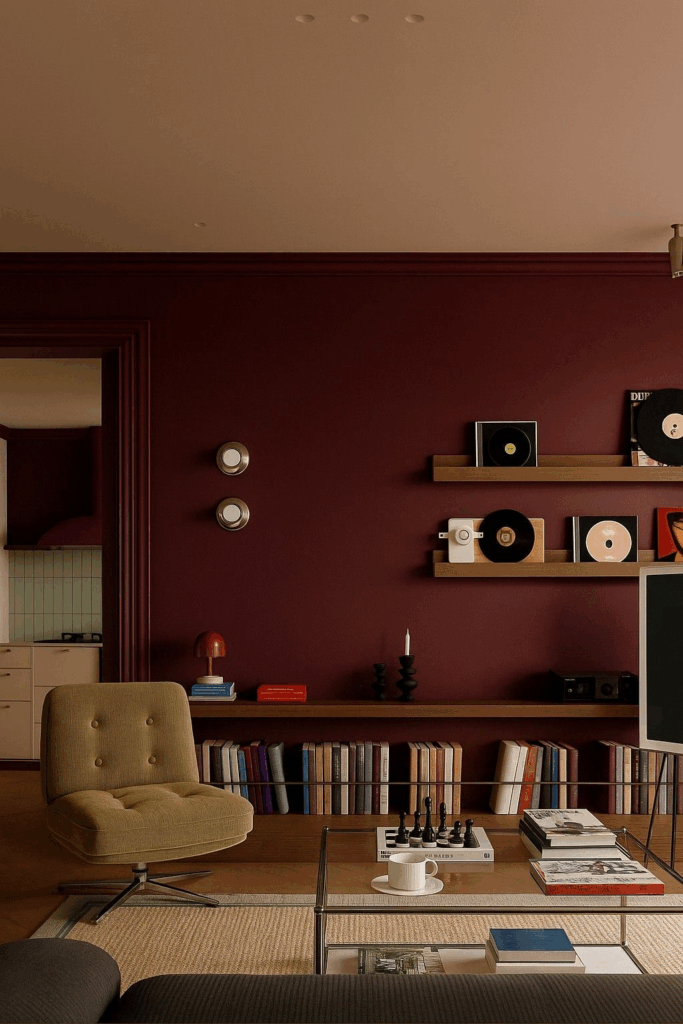
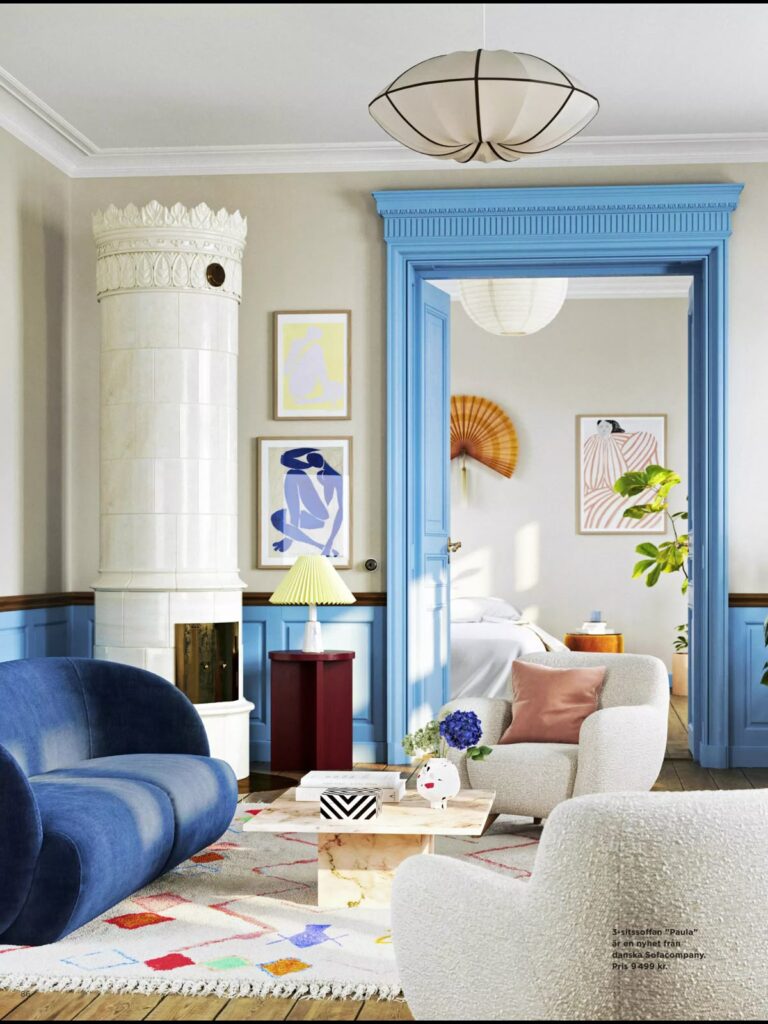
Expressive interiors see walls differently. They’re not backdrops; they’re participants. They set the mood, support the furniture, and quietly guide how a space is experienced. Choosing colour intentionally, rather than defaulting to neutrality out of caution, gives a room confidence and personality.
Imagine a small dining room painted in a muted clay red. The table and chairs might be simple, even ordinary, but the colour changes everything. The room feels warmer, more present. You linger a little longer.
Or a bedroom with soft indigo walls, paired with natural wood and linen. The colour isn’t shouting for attention, but it defines the space. It creates calm. These aren’t trends, they’re considered choices that adapt as life changes.
The same thinking applies to public spaces too. Restaurants, shops, galleries, a wall in an unexpected hue can mark a moment, guide movement, or stay in your memory long after you’ve left. Colour becomes a quiet narrator.
Thinking about colour more intentionally
- Choose colour with feeling, not fear. Think about mood, rhythm, and how you actually live.
- Let bold choices breathe. Balance stronger colours with simpler materials or forms.
- Pay attention to light. Notice how colour shifts throughout the day and how that affects you.
- Pair colour with texture. Paint, fabric, wood and art all speak to each other.
Walls do more than define boundaries. They give a space its voice. When they’re allowed to speak, rooms feel personal, expressive, and alive.
If you’re drawn to interiors with character and quiet storytelling, colour is one of the simplest places to begin. Small, thoughtful decisions often say the most.